Something is changing in Kashmir. Not suddenly and dramatically. One incident at a time. One headline at a time. One video at a time. And each instance snowballs into another. A group clash here. A knife attack there. Youth fighting youth. Injuries. Arrests. Retaliation. Then another incident. And before society has time to absorb one shock, another arrives.
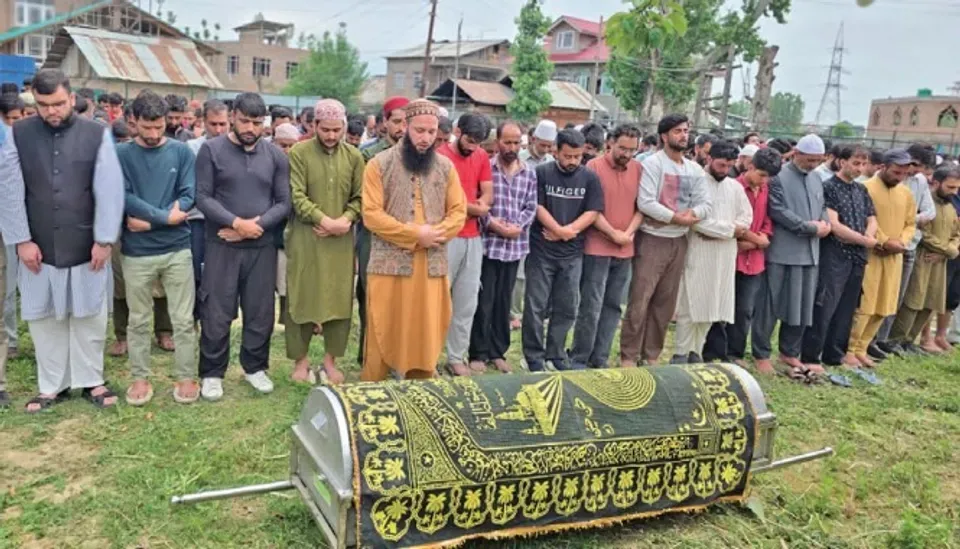
This week, we were shaken by reports of the brutal assault and murder of a young girl. A child whose life had barely begun. And it left a family destroyed forever. A society left searching for answers. The immediate reaction is outrage. It should be. The law must take its course. The guilty must be punished.
However, once the public anger settles, a more difficult question remains. What is happening to us? Since societies do not change overnight, violence does not suddenly emerge from nowhere. The consequences of old actions appear in the now.
For generations, Kashmir was known for many things. Civility. Respect for elders. Community bonds. Social accountability. A child growing up in a mohalla raised not only by parents but by the entire neighbourhood. The families were responsible, and the society was accountable.
Today something has weakened. Superficially, we know our children’s whereabouts, but we don’t know what they think. We see their public posts, but the private remains hidden, growing deeply in the dark.
Many parents work tirelessly to provide the best education. The best schools. The best clothes. The best gadgets. However, character cannot be outsourced. No coaching centre can teach empathy. The focus has shifted from true learning to the simulacra of an institution.
The first classroom remains the home. And the first teachers remain the parents. This is not about blaming parents. Most parents are doing their best. But it is about recognising a reality; children learn more from what they sense and see than what they hear. Our darkness eventually reaches to them.
If they witness disrespect, they learn disrespect. If they witness compassion, they learn compassion. If they witness hypocrisy, they learn hypocrisy. The responsibility does not end there. Society also has a role. Religious institutions have a role. Teachers have a role. Community leaders have a role. Media has a role.
We often discuss academic success, career success and financial success. But perhaps we spend too little time discussing value-success. What kind of human being are we raising? The question sounds simple. It is not as society ultimately becomes a reflection of what it celebrates.
There is another uncomfortable truth. Loneliness is increasing. Meaningful conversation is decreasing. Families often sit together while living separately behind screens. Young people are exposed to unprecedented amounts of information. Yet many struggle to find emotional anchors. A society that invests in buildings but neglects relationships eventually pays a price.
The murder of a child should not only lead to criminal investigation. It should lead to collective introspection. We must ask ourselves important questions. What values are we transmitting? What behaviours are we rewarding? What conversations are we avoiding? What responsibilities are we neglecting?
The answers may be uncomfortable. But they are necessary. Because every arrested youth was once a child. Every violent adult was once someone’s son. Every social crisis begins long before it appears in criminal records.
The solution therefore lies not only in courts and prisons. It lies in homes. In schools. In neighbourhoods. In everyday acts of parenting. In everyday acts of citizenship.
Kashmir deserves better. Its children deserve better. Its parents deserve better. And the memory of every innocent victim demands better. The time to act is not after the next tragedy. The time is now. Before crime becomes ordinary. Before indifference becomes permanent. Before we forget who we once were.