The Human API: Why Knowledge, Not Just Capital, is the Real Currency for Rural India’s Women Entrepreneurs
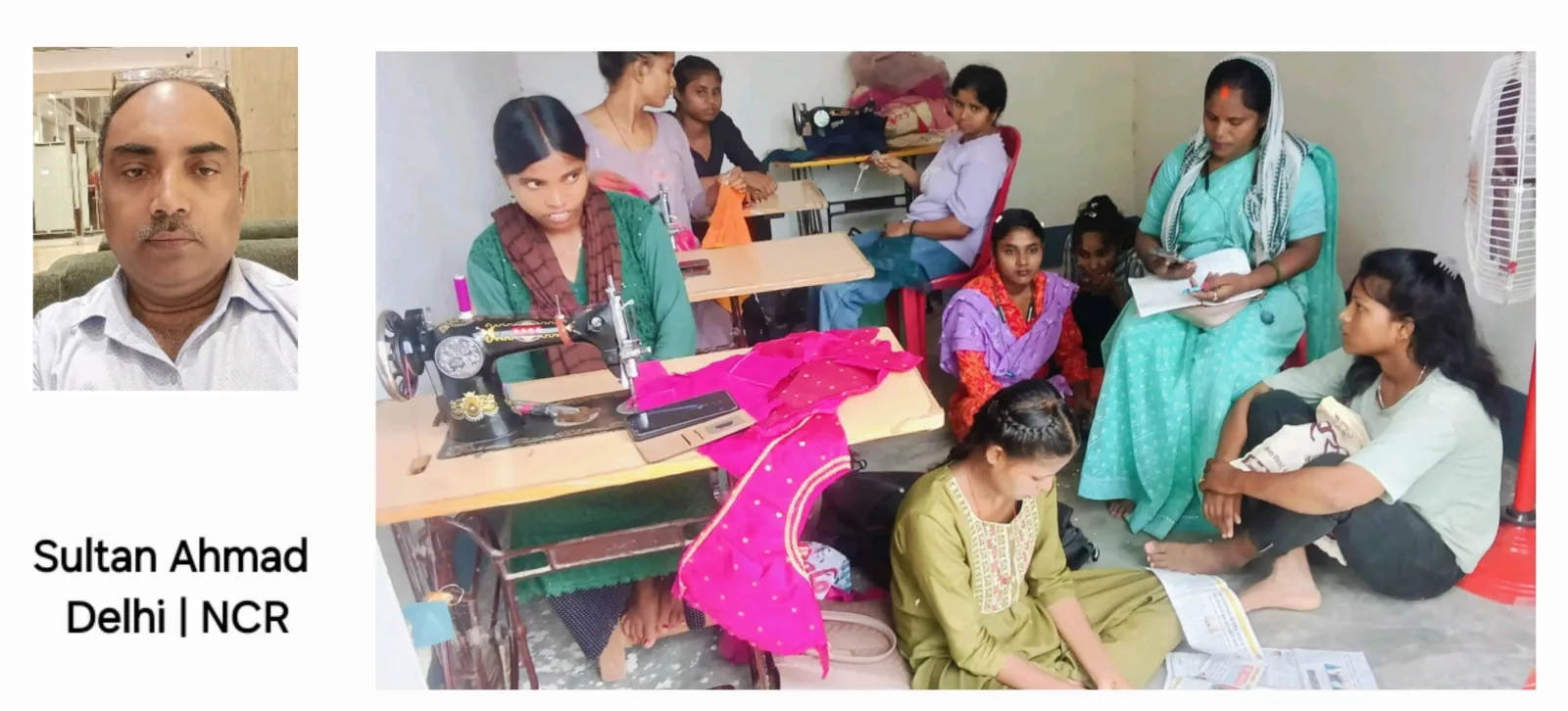
Written By : Sultan Ahmad - DELHI I NCR
In the heart of rural Uttar Pradesh, a vibrant ecosystem of ambition is flourishing. Women across the state are eager to launch enterprises ranging from livestock rearing to professional tailoring and manufacturing units, food processing units, yet many encounter an "invisible wall" that halts their progress. This barrier is rarely a lack of talent or desire; instead, it is a profound information gap regarding the "how-to" of modern business management.
For many aspiring entrepreneurs, the transition from a vision to a functional enterprise is blocked by systemic hurdles. Without a roadmap to navigate government bureaucracy or digital platforms, even the most promising ventures stall before they begin. To unlock this potential, we must look beyond just providing capital and focus on building sustainable knowledge networks.
Insights from the Udyami Vaani and Community Development Entrepreneur (CDE) ecosystems reveal that the most critical missing link is a "human bridge." This bridge connects women to the resources they need to navigate a landscape that is increasingly digital, procedural, and complex.
Beyond Capital – The Information Vacuum
While financial support is essential, the lack of "business-ready" information often proves to be a more significant bottleneck than a lack of funds. In Uttar Pradesh, women frequently seek specific guidance on how to access peer-to-peer loan platforms like Rang De/Give funds or secure funding for essential equipment like sewing machines/ water filter machine/potato chips machines. Having a vision is only the first step; without a clear understanding of registration processes and subsidies, that vision cannot become an actionable plan.
"Many women lack easy access to accurate and comprehensive business-related information such as how to register an enterprise, available government schemes, or steps for scaling up." — Udyami Vaani Ecosystem Reports
The Digital Divide is Generational and Functional
The shift toward digital-first government schemes has created a unique set of challenges for the "analog" population. While technology can broaden reach, it inadvertently excludes elderly or less-educated women who struggle with mobile literacy. These entrepreneurs find it difficult to navigate the apps and websites that are now the exclusive gateways to essential business services.
In this context, the CDE acts as a "Digital Intermediary." They don't just teach technology; they physically navigate the digital space on behalf of the entrepreneur, translating procedural complexity into simple, actionable steps. This human layer ensures that those with lower literacy levels are not left behind in an increasingly online-only economy.
Why Market Linkages Matter More Than Initial Sales
A common phenomenon in rural entrepreneurship is the abandonment of a business shortly after launch. This rarely happens because of a poor product; rather, it occurs because women cannot find fair prices or sustainable buyers. Without reliable market information, an enterprise loses its "oxygen" and cannot sustain its operations.
Women are entering a diverse range of micro-sectors, but they require better linkages to ensure their products reach the right hands:
Goat rearing and livestock management
Tailoring and garment production
Water filtering and Packing and Modern Art production and packaging
Soap packing and leaf plate production
Papad making and food processing
The CDE as the "Human Bridge"
Technology alone often fails to bridge the gap of procedural complexity. This is where Community Development Entrepreneurs (CDEs) and the Udyami Vaani on-ground team become indispensable facilitators. Their role involves intensive handholding, documentation support, and stakeholder linkage, helping women navigate the paperwork required for loans and registrations.
"Women report feeling more confident and able to proceed when they receive hands-on support, as opposed to navigating official processes on their own." — Udyami Vaani Ecosystem Reports
These facilitators act as a local support system, providing tailored advice and the "moral support" necessary to overcome socio-cultural restrictions. By bridging the gap to training institutes and financial stakeholders, they ensure that rural entrepreneurs are never navigating the path to financial independence in isolation.
The "Sisterhood" Challenge – Peer Dynamics and Competition
An unexpected finding within these communities is that active internal competition can sometimes hinder collective growth. In some instances, women may not support their peers moving forward, creating a friction that stalls group progress. There is a clear need to shift from this competitive mindset to a mentorship model where experienced entrepreneurs uplift new entrants.
Leveraging platforms like Udyami Vaani allows women to share business ideas and receive expert peer feedback, breaking down these competitive silos. Strengthening peer collaboration is vital; when women transition from participants to peer leaders, they create a resilient ecosystem that values collective success over individual gain.
Conclusion: Scaling the Impact
Transforming a fragmented rural ecosystem into a sustainable one requires more than high-level policy; it requires focused, local interventions. By prioritizing digital bridging, financial guidance, and localized mentorship, we can ensure that every woman with a business idea has the tools to realize it.
As urban institutions push for 100% digital governance, are they providing the investment necessary to fund the Human Bridges—the CDEs—who prevent millions from being left in the analog past?
The path to rural economic inclusion is paved not just with capital, but with the human-led transfer of actionable knowledge.
About the Author: Mr Sultan Ahmad is working as Director: oprations , strategy and partnership with Gram Vaani , a Delhi Based social enterprises using the technology and enabling the on-ground community development to realise the last mile changes, sustainable development. Mr Ahmad has more than 20 years of experience in development sector and know to be subject expert when it comes to build a community friendly technology and its adoptions.
Email – sultan.ahmad@gramvaani.org
Phone No - 8800378111