Srinagar, Jun 19: Calls for a comprehensive ban on plastic and polythene intensified in Jammu and Kashmir on Friday after the Ladakh administration announced a strict prohibition on single-use plastic and littering across the Union Territory to protect its fragile ecosystem.
Senior CPI(M) leader and legislator Muhammad Yusuf Tarigami, who heads the Jammu and Kashmir Assembly's Committee on Environment, welcomed Ladakh's decision and urged the J&K administration to follow suit.
"Congratulations Ladakh! Banning single-use plastic items is a crucial step, as it is non-biodegradable and remains in the environment for years, causing lasting damage," Tarigami said in a post on X, urging the J&K administration to impose a strict ban on polythene and plastic carry bags and strengthen enforcement.
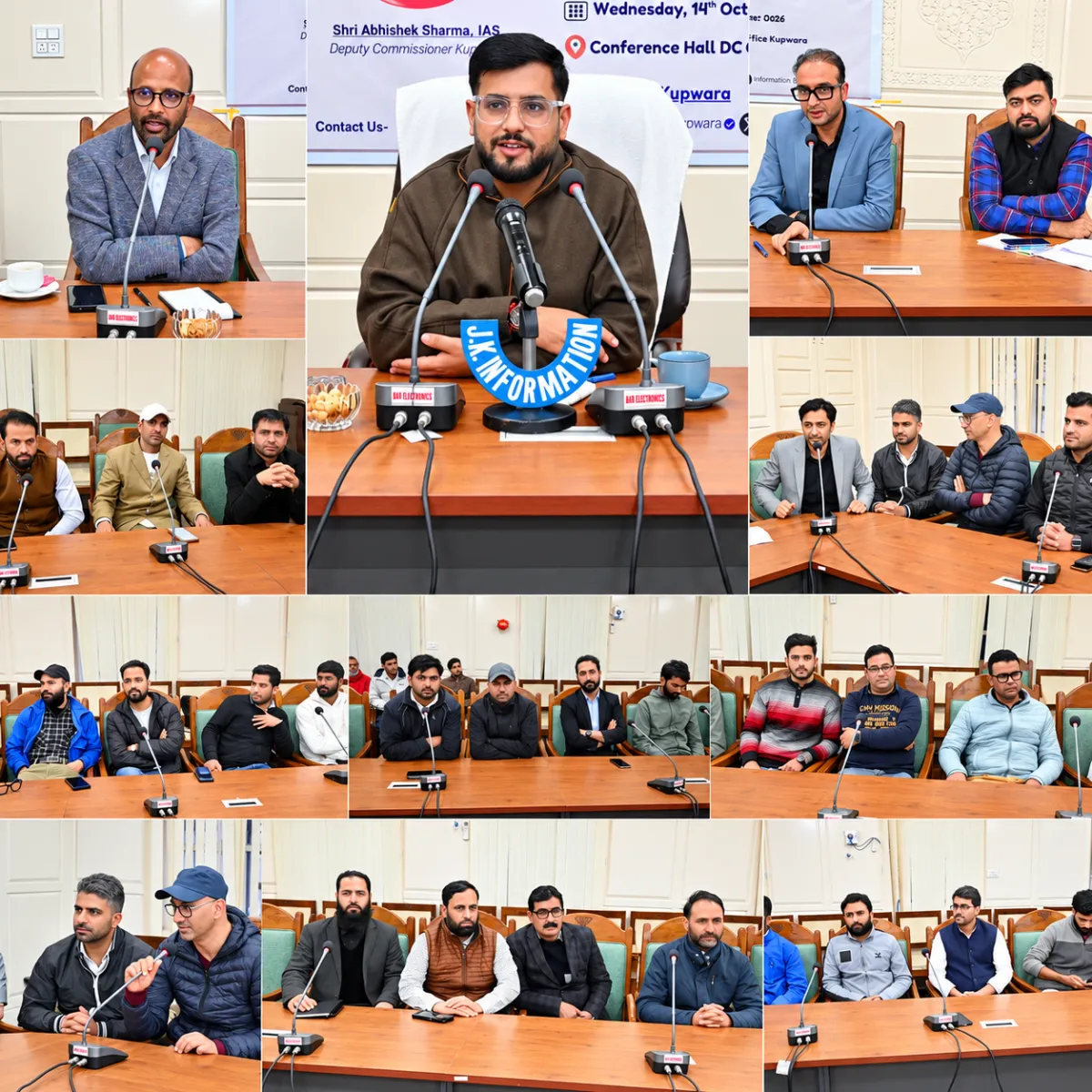
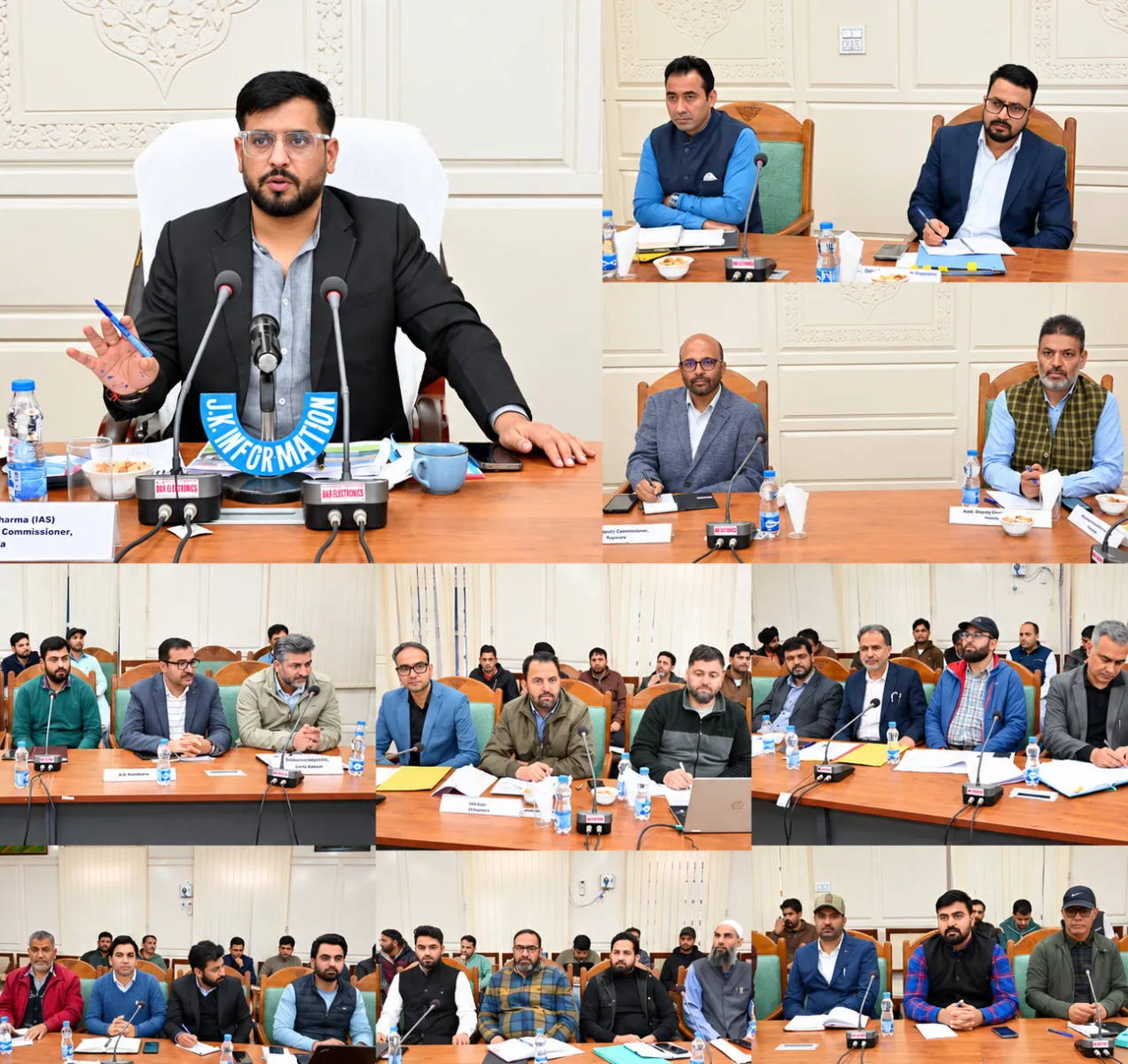
The demand came a day after the Committee on Environment, chaired by Tarigami, reviewed the growing threat posed by plastic pollution and called for stringent measures to curb the use of single-use plastic across Jammu and Kashmir.
The committee observed that indiscriminate plastic consumption had emerged as a major environmental challenge, contributing to pollution of water bodies, ecological degradation and public health concerns.
Addressing the meeting, Tarigami appealed to Chief Minister Omar Abdullah to consider issuing an executive order imposing a comprehensive ban on plastic use across J&K.
"On behalf of the committee, I respectfully appeal to Chief Minister Omar Abdullah to consider issuing an executive order for a comprehensive ban on plastic in the larger interest of environmental protection, public health and sustainable development," he said.
The committee also asked the Jammu and Kashmir Pollution Control Committee (JKPCC) to step up enforcement and ensure strict implementation of laws aimed at eliminating single-use plastics, particularly in tourist destinations, religious shrines and other environmentally sensitive areas.
The meeting was attended by committee members and senior officials from several government departments.
Environmental activist Raja Muzaffar Bhat also endorsed Ladakh's move and called for a mass campaign against plastic pollution, similar to the administration's anti-drug initiative.
"Let Jammu and Kashmir become plastic- and polythene-free as well," Bhat said.
He argued that restrictions should extend beyond plastic carry bags to include the packaging used for snacks, biscuits, spices, and other consumer products.
Bhat also advocated decentralised waste management, urging households with sufficient land to compost biodegradable waste.
"Nearly 80 percent of our waste is organic kitchen waste. Those with at least a Kanal of land can easily manage it through compost pits," he said.
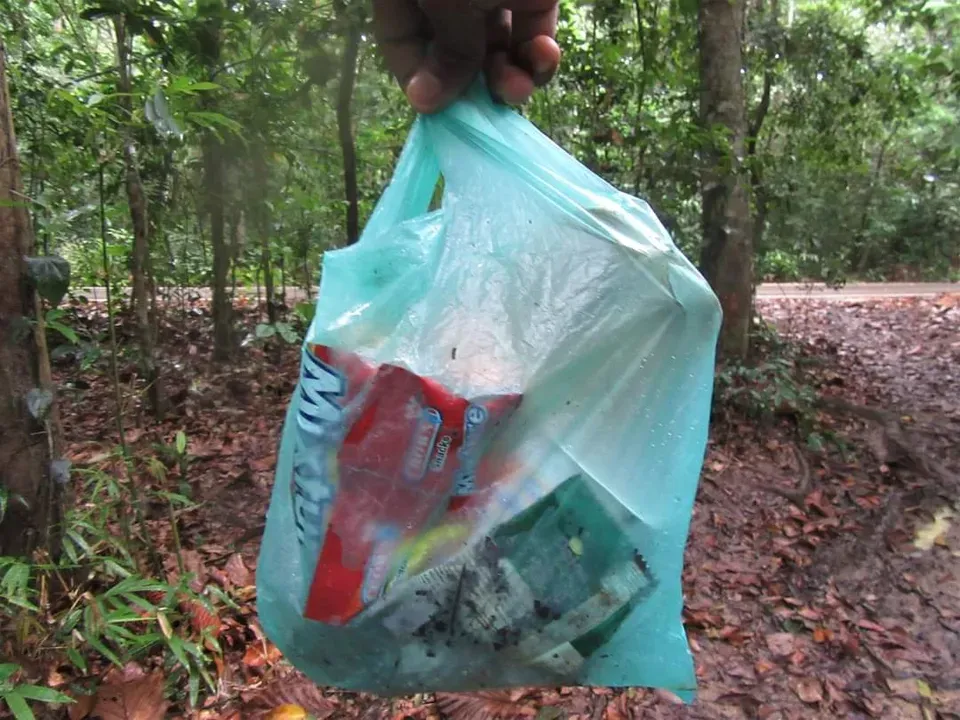
Environmentalists say plastic pollution has reached alarming levels across Kashmir, from Dal Lake to the ecologically -fragile tourist resorts of Pahalgam, Gulmarg and Sonamarg, where discarded bottles, food wrappers and disposable utensils are increasingly visible.
According to official estimates, Jammu and Kashmir generates more than 51,000 tonnes of plastic waste annually.
Much of it finds its way into rivers, forests and agricultural land.
The Jhelum River, the lifeline of Kashmir, and its tributaries, stretching from Verinag in south Kashmir through Srinagar and northward, are increasingly choked with polythene and plastic waste, posing a threat to aquatic ecosystems and water quality.
Official data show that Jammu and Kashmir generated more than 2,25,000 tonnes of plastic waste over the last 5 years, raising concerns about its impact on rivers, forests and farmland.